Groundwater & sludge
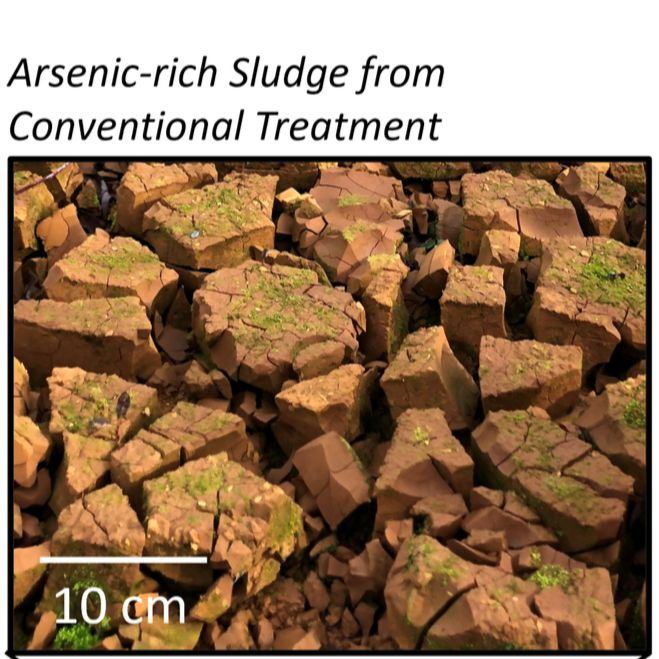
Groundwater treatment & sludge upcycling
Connect arsenic removal from drinking water with the recovery of arsenic and phosphorus from treatment residuals.
Explore this research →
Many environmental pollutants are also valuable raw materials. We investigate the chemical reactions that control their behavior and develop methods to recover them from contaminated water, soils, and wastes.
About the lab →Connect arsenic removal from drinking water with the recovery of arsenic and phosphorus from treatment residuals.
Explore this research →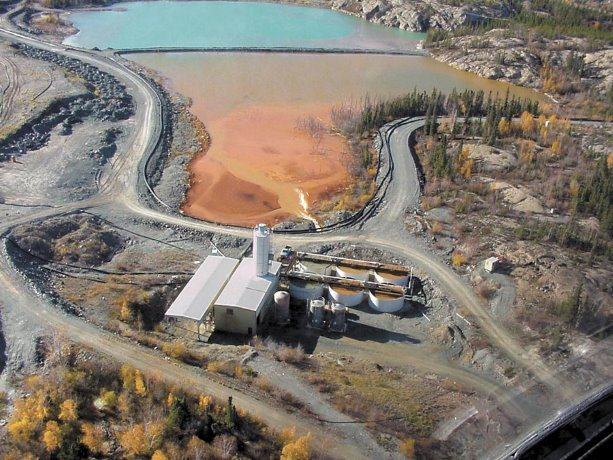
Investigate arsenic-bearing mining and processing wastes and develop pathways toward recovered materials.
Explore this research →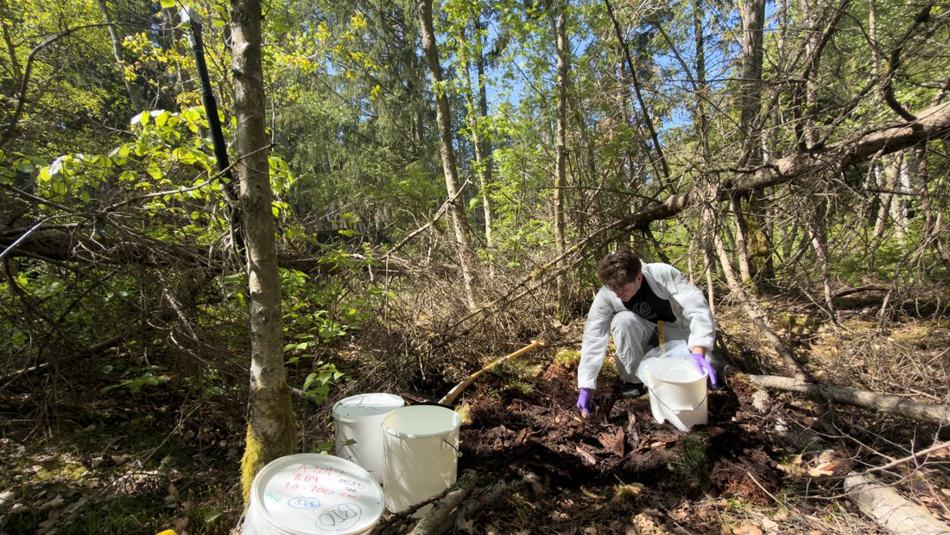
Understand how soil chemistry controls contaminant retention, mobility, and the potential for extraction and recovery.
Explore this research →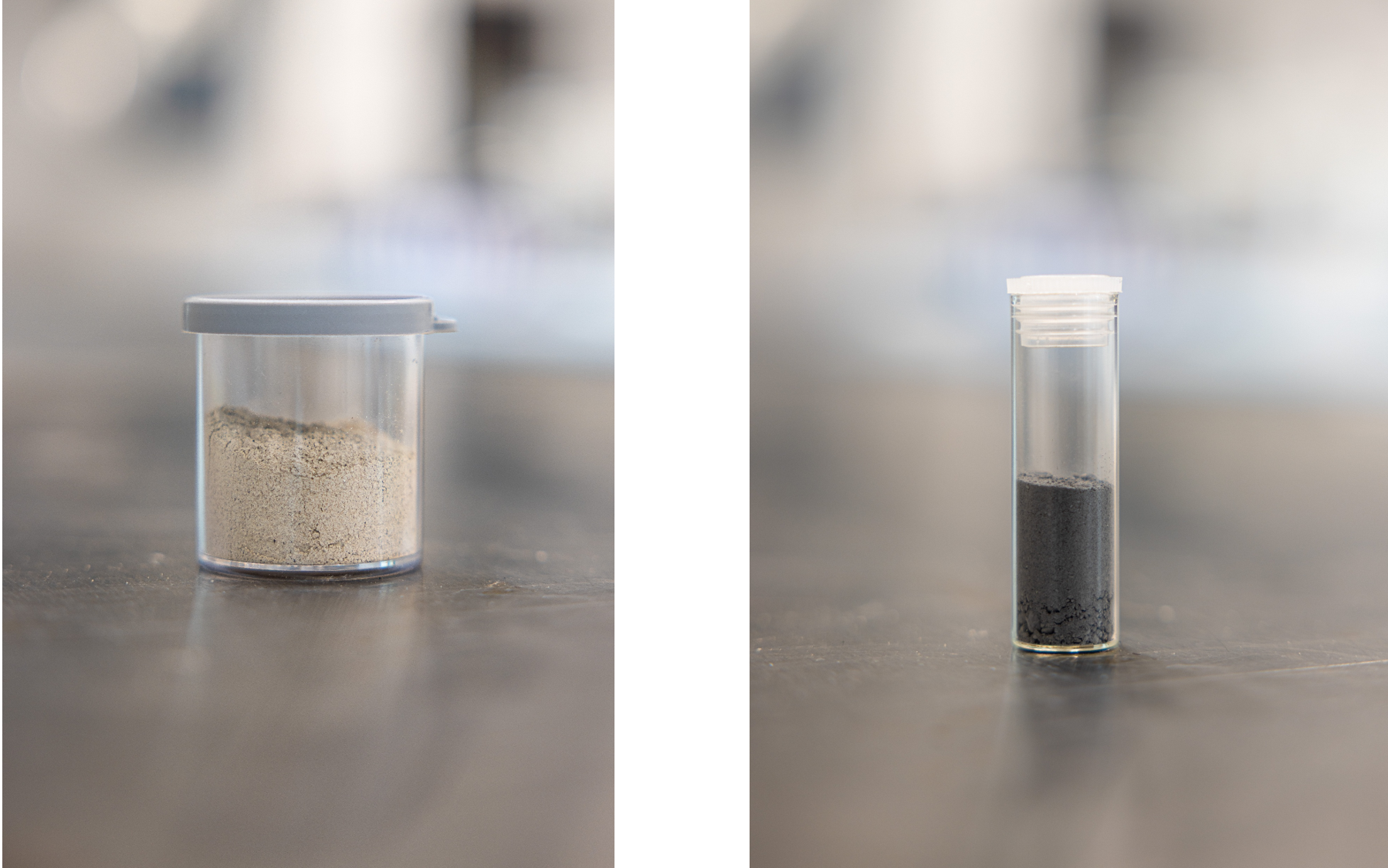
Link antimony and phosphorus speciation with leaching behavior and opportunities for recovery from ash.
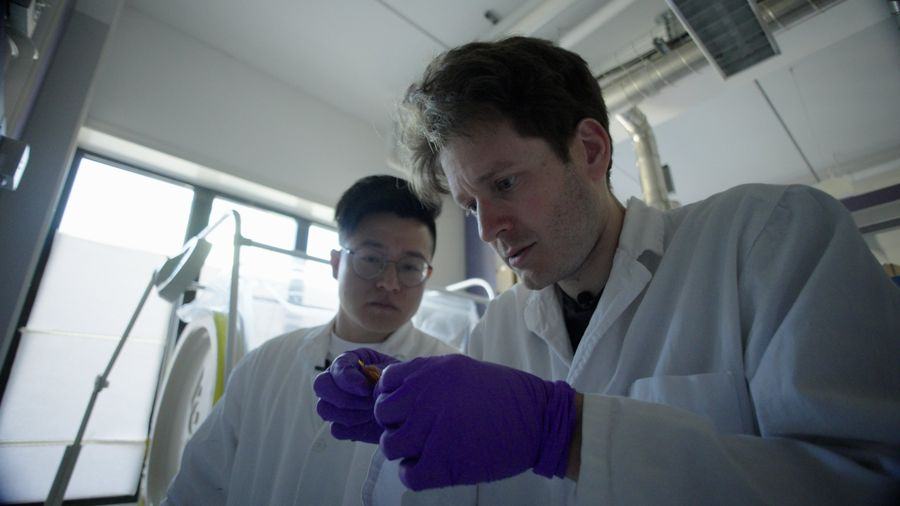
Explore this research →We use X-ray absorption spectroscopy to identify oxidation states and local bonding environments, and X-ray imaging to map element distributions. These measurements help explain why contaminants remain bound to solids, dissolve, or transform during treatment.
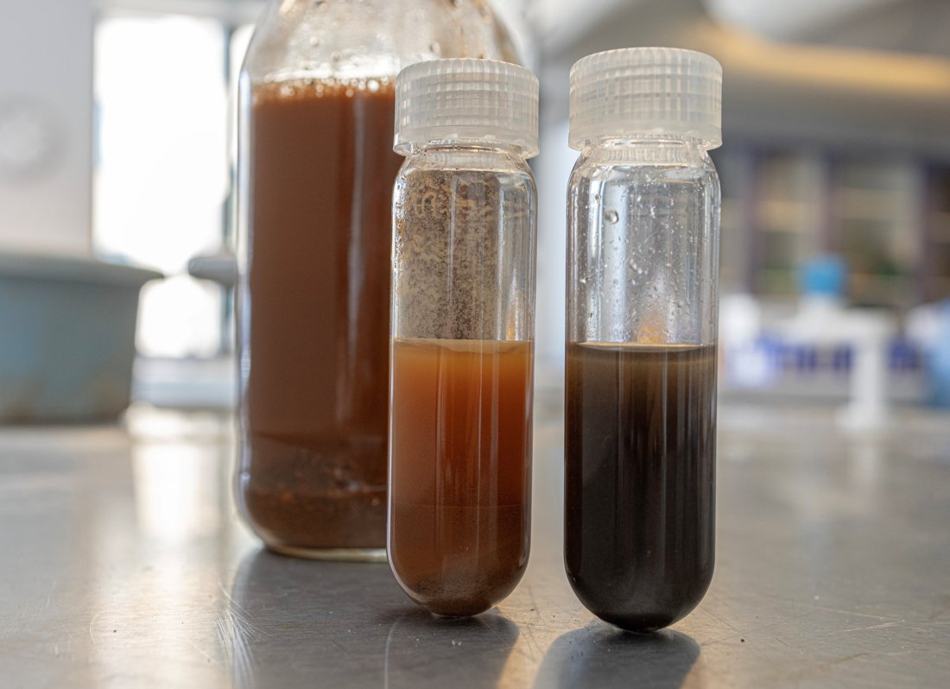
The study examines a two-stage process for extracting arsenic from treatment sludge and recovering it as elemental arsenic.
Her poster presented work on phosphate recovery from arsenic-bearing groundwater treatment sludge.
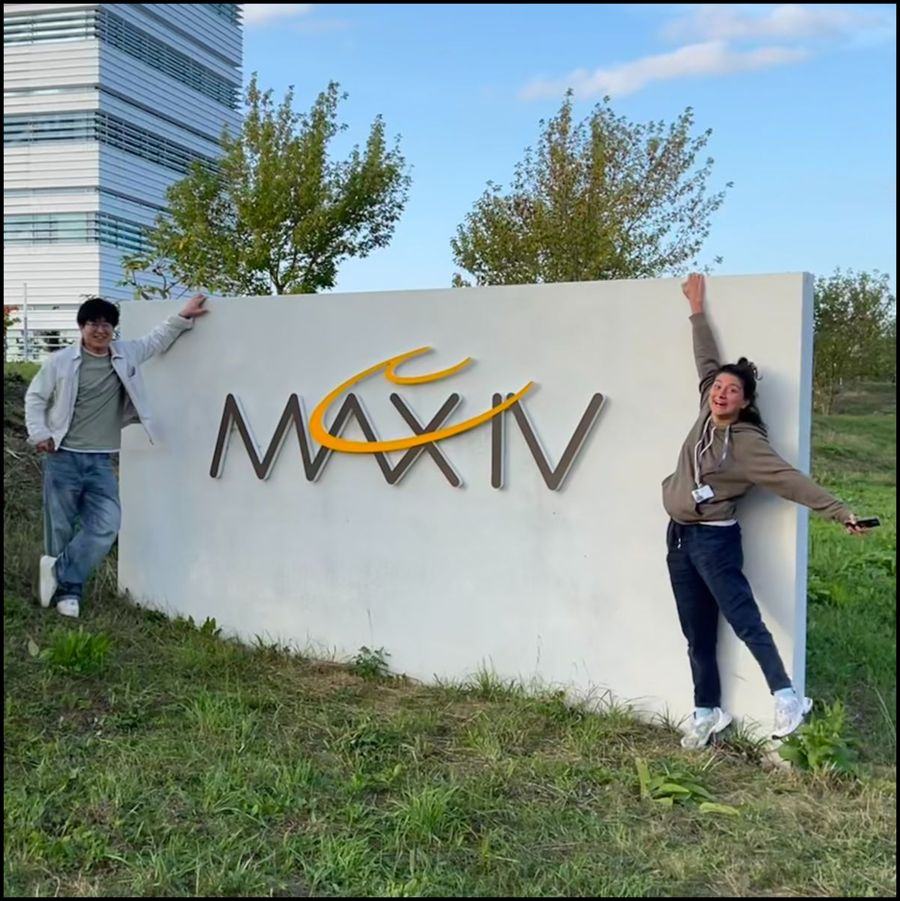
The Water4All project brings together GEUS, Eawag, Wageningen University & Research, and MAX IV.
PURE Lab is led by Case van Genuchten, Senior Researcher at GEUS and Laboratory Affiliate at Lawrence Berkeley National Laboratory (LBNL). Our projects bring together collaborators in Denmark, elsewhere in Europe, and the United States.
Meet the team → Join the lab →