Research / Groundwater & sludge
Groundwater treatment & sludge upcycling
Connect arsenic removal from drinking water with the recovery of arsenic and phosphorus from treatment residuals.
Why treatment residuals matter
Iron-based treatment removes arsenic from groundwater but produces arsenic-bearing sludge. We study the chemistry of these residuals and how they can become sources of recovered arsenic and phosphorus.
Characterize the starting material
Determine arsenic speciation, iron mineral structure, and the associations of phosphorus across sludge sources.
Separate and recover
Investigate chemical extraction and selective transformation of dissolved arsenic into elemental arsenic.
Evaluate the products
Characterize recovered materials and examine phosphate recovery and environmental implications.
The scientific approach
Speciation and recovery
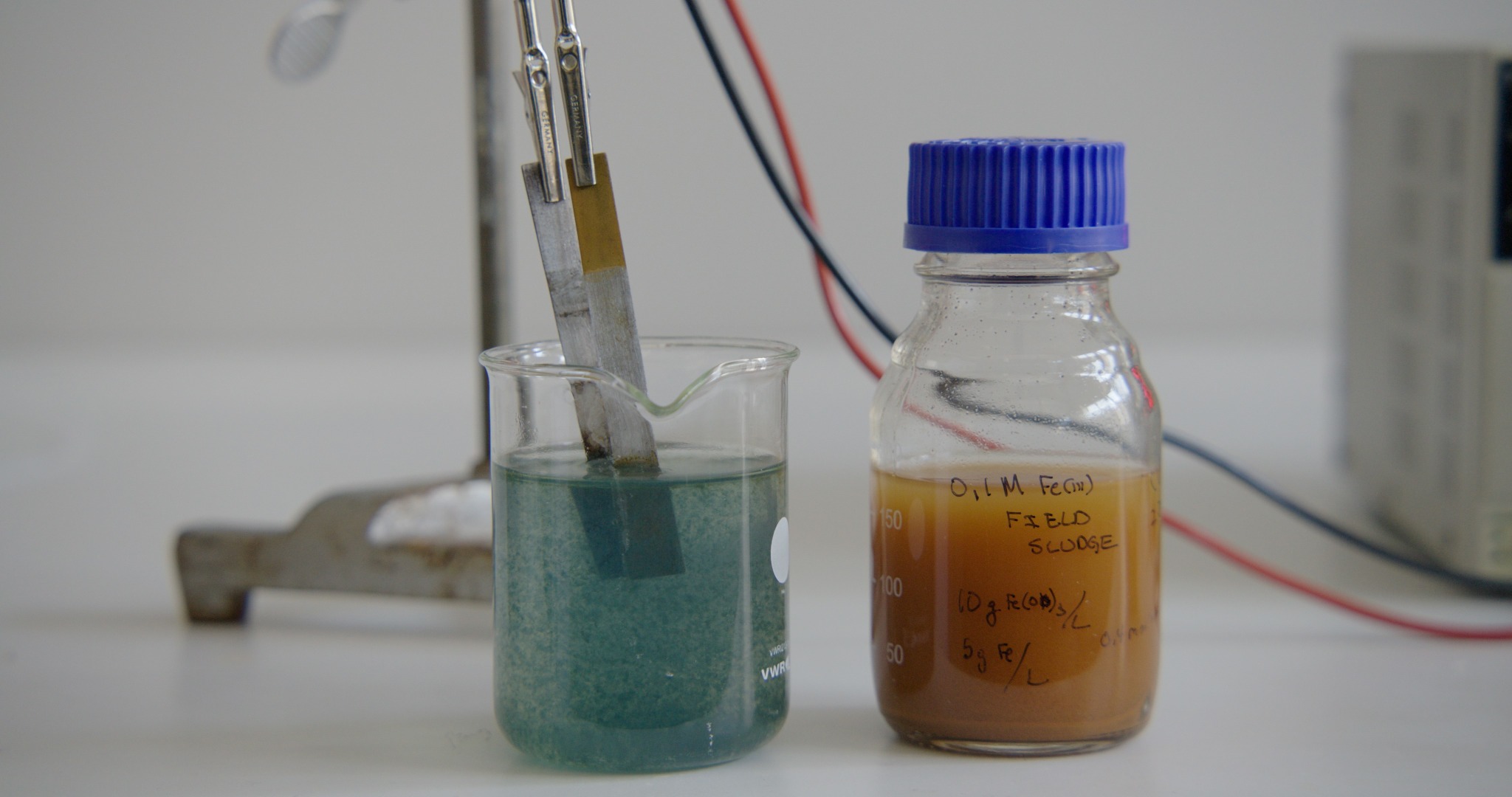
Laboratory experiments are combined with synchrotron X-ray characterization to understand the reactions and solids that control recovery.
Explore the methods →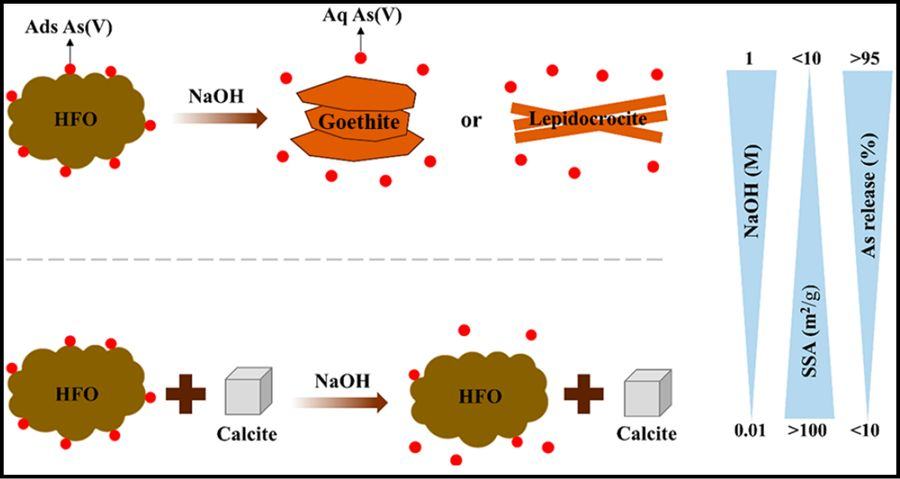
Related research and news
Selected publications →
Experimental work
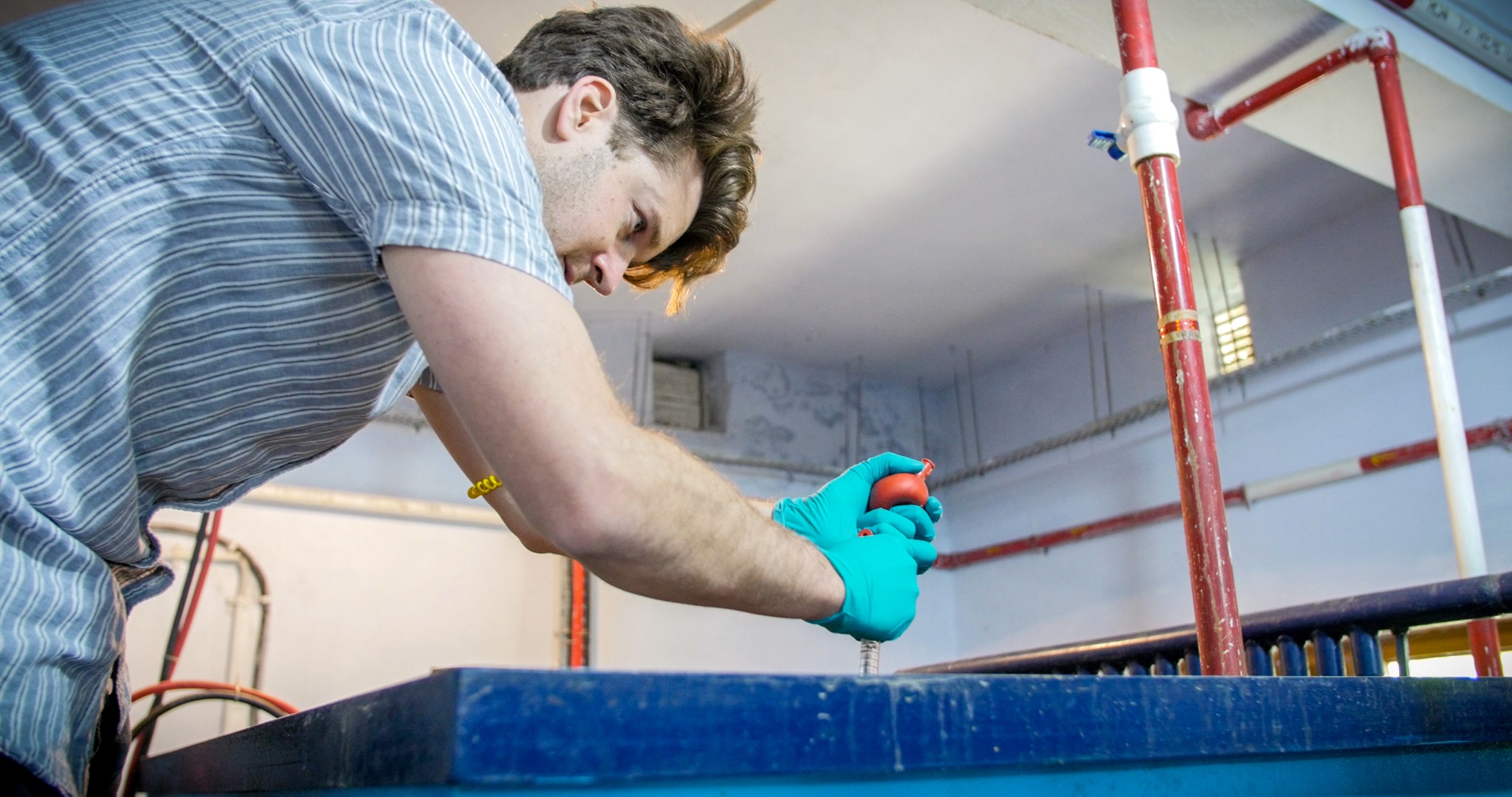
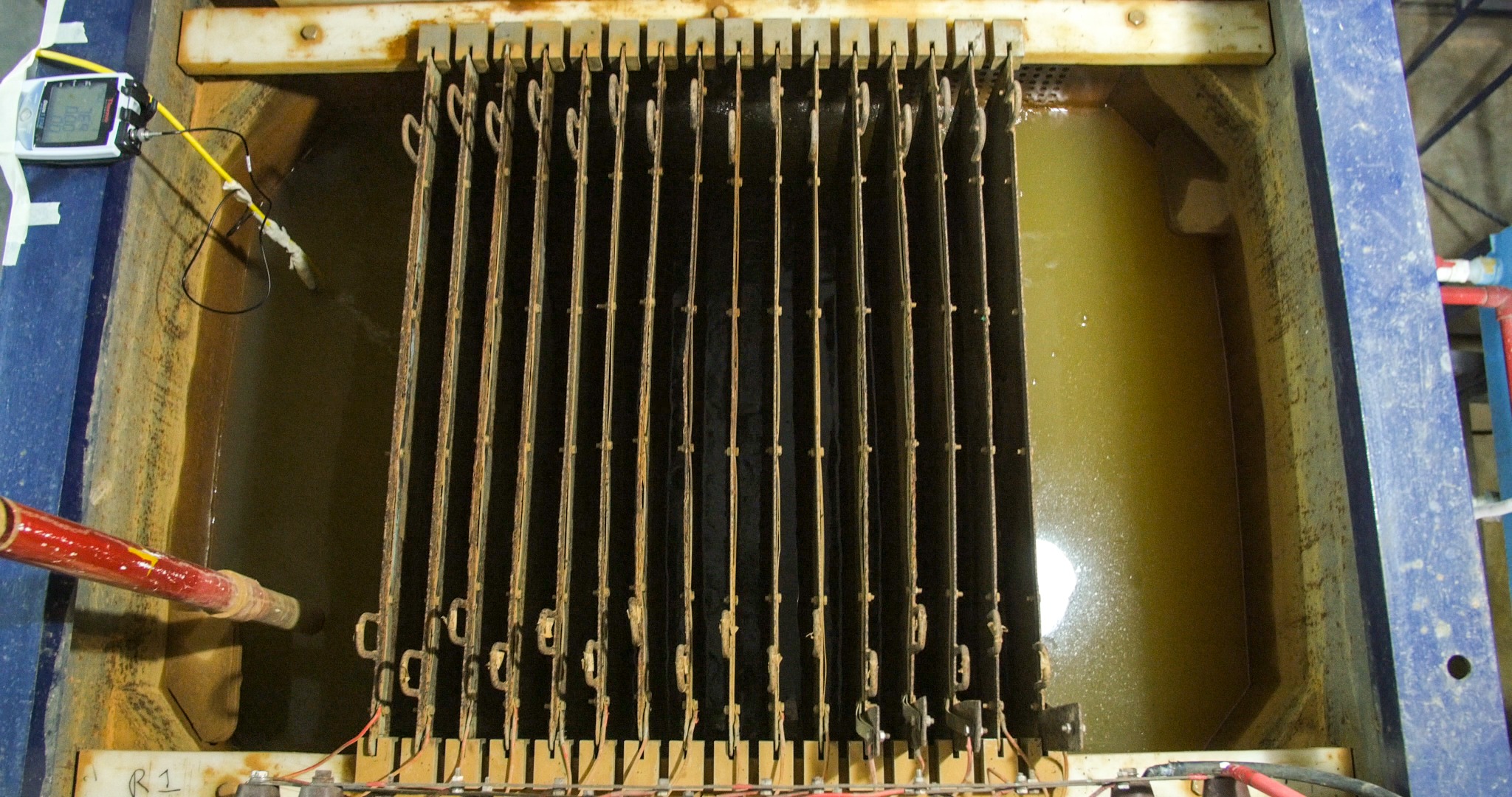
Electrochemical treatment, from bench to tank
Molecular-scale evidence
Looking inside treatment residuals
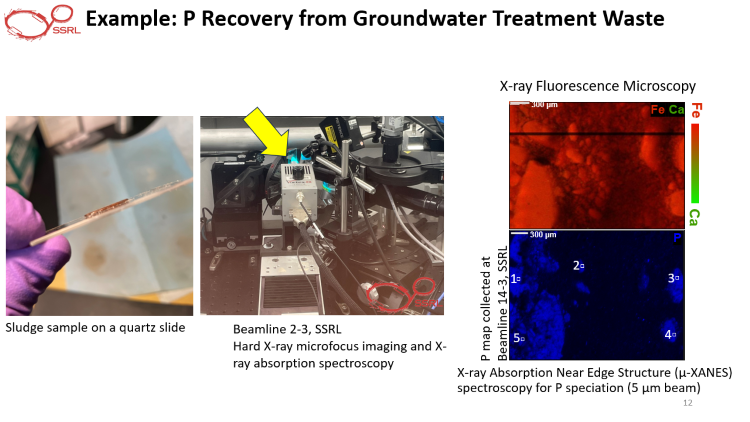
Elemental mapping and spectroscopy help identify associations among iron, calcium, and phosphorus within sludge. These measurements connect the heterogeneous starting material with questions about extraction and recovery.